Choosing the right nitrile gloves starts with understanding the work you’ll be doing while wearing them. Glove thickness, chemical resistance, surface texture, fit, and testing standards can all affect how well a glove performs for a particular application.
A researcher pipetting samples at the bench has very different needs from someone handling hazardous chemicals or chemotherapy drugs. Rather than treating nitrile gloves as interchangeable, look at the level of protection and dexterity your work requires, then choose a glove with specifications that match.
Why Choose Nitrile Gloves?
Nitrile gloves are made from synthetic rubber, making them a latex-free alternative to natural rubber latex gloves. They combine flexibility and durability with resistance to punctures and a variety of chemicals.
Compared with latex gloves, nitrile generally offers better resistance to petroleum products, oils, acids, and many solvents. Nitrile also eliminates exposure to natural rubber latex proteins, which can be important for individuals with latex allergies or facilities looking to reduce that risk.
However, nitrile isn’t resistant to every chemical. The formulation and thickness of the glove, the chemical being handled, its concentration, and the duration of exposure can all influence protection.
That’s why choosing nitrile is only the first step. You still need to choose the right nitrile glove.
Start With Glove Thickness
One of the easiest ways to narrow your options is by looking at glove thickness, typically measured in mils. A mil is one-thousandth of an inch.
In general, thinner gloves prioritize tactile sensitivity, while thicker gloves provide greater physical durability and puncture resistance.
Light-Duty Nitrile Gloves: 2 to 3.5 Mil
Light-duty gloves provide high dexterity and fine motor control. They’re well-suited for lower-risk applications where researchers need to handle small items or change gloves frequently.
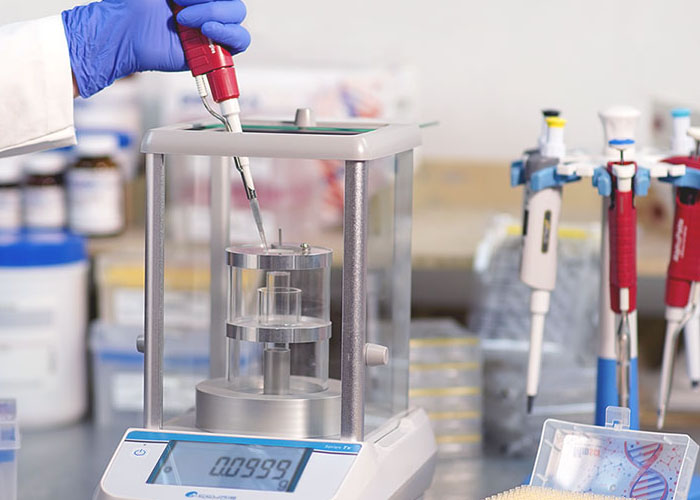
Applications can include pipetting, basic sample handling, and other routine bench work.
Medium-Duty Nitrile Gloves: 4 to 5 Mil
For many laboratories, medium-duty nitrile gloves are the everyday workhorse.
They provide a balance between tactile sensitivity and durability that works well for general laboratory procedures and sample handling. If you’re looking for one glove to cover a broad range of routine bench activities, this is often a useful place to start.
Heavy-Duty Nitrile Gloves: 6+ Mil
Thicker nitrile gloves provide increased puncture resistance and durability for more demanding work. Extended-cuff options can also provide additional coverage around the wrist and forearm.
These gloves may be appropriate for certain chemical-handling procedures, hazardous materials, or work involving equipment that puts greater physical stress on the glove.
Keep in mind that thickness alone does not determine chemical protection. Always verify the glove’s compatibility with the substances you’re handling.
Understand Chemical Resistance Before Choosing a Glove
If your application involves hazardous reagents, chemical compatibility should be one of your most important selection criteria.
Two terms are particularly useful to understand: breakthrough time and degradation.
Breakthrough time refers to how long it takes a chemical to permeate through the glove material at a molecular level. A glove can look completely intact even after permeation has occurred.
Degradation describes physical changes to the glove caused by chemical exposure, such as swelling, cracking, softening, or loss of strength.
Because chemicals interact differently with different glove materials and formulations, there isn’t one nitrile glove that’s best for every substance.
Always consult the manufacturer’s chemical compatibility chart for the specific glove and chemical before handling hazardous reagents.
Some Applications Require Specialized Testing
For high-risk applications, don’t assume a standard nitrile glove provides adequate protection simply because it is chemical resistant.
Chemotherapy and Cytotoxic Drugs
Gloves used to handle chemotherapy and other hazardous drugs should be specifically tested for that application.
ASTM D6978 evaluates the resistance of medical gloves to permeation by chemotherapy drugs. If your work involves these substances, look for nitrile gloves specifically tested to the applicable standard and review the manufacturer’s test results for the drugs being handled.
Fentanyl and Synthetic Opioids
Laboratories, clinical environments, and other professionals who may encounter fentanyl or synthetic opioids should likewise look for gloves that have been specifically tested for fentanyl permeation resistance.
A general chemical-resistance claim should not be treated as proof that a glove is suitable for these specialized hazards.
Consider Surface Texture and Grip
Grip can have a surprisingly large impact on both comfort and control.
Nitrile gloves may have textured fingertips, a fully textured surface, or a relatively smooth finish. The right option depends on what you’re handling.
Fingertip-textured gloves add grip where it’s most useful while maintaining flexibility throughout the rest of the hand. This can work well when handling pipettes, small instruments, tubes, or glass vials.
Fully textured gloves provide grip across a larger portion of the hand and can be useful when working in wet environments or handling items that may become slippery.
Smooth-finish gloves reduce surface friction, which can be useful for certain applications or when double-gloving.
Think about the conditions in which the glove will actually be used rather than choosing texture based on preference alone.
Medical/Exam Grade vs. Industrial Grade Nitrile Gloves
Another important distinction is whether you’re purchasing medical/exam-grade or industrial-grade gloves.
Medical examination gloves are subject to specific requirements for barrier integrity and acceptable quality levels (AQL), including testing related to holes and defects. Industrial gloves may be appropriate for many laboratory, manufacturing, cleaning, or general-purpose applications but are not automatically interchangeable with medical examination gloves.
The right choice depends on your workplace and application. If your work requires medical-grade gloves or compliance with particular standards, verify those specifications on the individual product before purchasing.
Comfort and Fit Matter During Long Lab Sessions
Protection is critical, but a glove also has to be wearable.
A glove that’s too tight can restrict hand movement and contribute to fatigue. A glove that’s too loose may bunch around the fingers and make it harder to manipulate pipettes, tubes, and other small laboratory equipment.
Modern nitrile formulations have also improved significantly in flexibility and comfort. Some thermosoftening nitrile formulations respond to body heat and conform more closely to the hand during use. This can provide a more natural fit and help reduce hand fatigue during long periods at the bench.
When possible, consider both hand size and the tasks being performed rather than simply ordering the same glove size for everyone in the laboratory.
Why Choose Powder-Free Nitrile Gloves?
Powder was traditionally used to make disposable gloves easier to put on and remove, but loose powder can create problems in sensitive environments.
For laboratories, powder can introduce unwanted particulate contamination into samples, surfaces, and workflows. Powder-free gloves are therefore the preferred choice for many research applications and are particularly important when contamination control is a priority.
Cleanroom applications and sensitive assays may have additional glove requirements beyond simply being powder-free, so check the specifications required by your facility or protocol.
Think About Cost Per Use
When a laboratory goes through hundreds or thousands of gloves, price per box matters. But price alone doesn’t necessarily tell you which glove provides the best value.
A glove that’s too thin for the application may tear more frequently, increasing consumption. Choosing an unnecessarily heavy glove for routine pipetting, meanwhile, may increase costs while reducing tactile sensitivity.
Consider how frequently gloves need to be changed, how well they hold up during the intended procedure, and whether you’re paying for specialized protection your application actually requires.
Matching different gloves to different tasks can sometimes be more economical than trying to find one glove for every activity in the facility.
What About the Environmental Impact of Disposable Gloves?
Single-use PPE presents a sustainability challenge, particularly for laboratories that require frequent glove changes for safety and contamination control.
Some manufacturers are developing nitrile formulations and technologies intended to improve what happens to gloves after disposal. MIDSCI offers select nitrile gloves with biodegradable options, which can give laboratories another factor to consider when evaluating their disposable glove purchases.
Proper disposal requirements still take priority. Gloves contaminated with biological hazards, hazardous chemicals, or other regulated substances should always be disposed of according to your facility’s established procedures.
Store Your Nitrile Gloves Properly
Even unopened gloves need to be stored correctly to maintain their intended performance.
Keep nitrile gloves in their original packaging in a cool, dry area away from direct sunlight, excessive heat, and other conditions that could degrade the material. Follow the manufacturer’s stated storage conditions and shelf-life information for the specific product.
Before use, inspect gloves for discoloration, brittleness, tears, or other visible signs of deterioration. Rotate inventory so older boxes are used before newer stock whenever possible.
How to Choose the Right Nitrile Gloves for Your Application
When comparing nitrile gloves, start by asking what hazards and working conditions the glove will encounter.
Consider:
- Thickness: Do you need maximum tactile sensitivity, an everyday 4-5 mil glove, or heavier-duty protection?
- Chemical compatibility: Has the specific glove been evaluated for the chemicals you’ll handle?
- Specialized protection: Does your application require chemotherapy, fentanyl, or other specific permeation testing?
- Grip: Would fingertip texture, full texture, or a smooth finish work best?
- Grade: Does your application require medical/exam-grade gloves?
- Fit and comfort: Will the glove remain comfortable and flexible during extended wear?
The answers can point you toward a glove that provides the protection you need while preserving the dexterity and comfort required to do your job well.
Find the Right Nitrile Gloves at MIDSCI
Not every pair of nitrile gloves belongs in every laboratory application. MIDSCI offers nitrile gloves with different thicknesses, textures, comfort features, and levels of protection so you can choose according to the work being performed.
Whether you need a lightweight glove for precise bench work, a dependable everyday option, or specialized protection for more demanding applications, explore MIDSCI’s selection of nitrile gloves or talk with a MIDSCI Lab Consultant for help finding the right fit for your laboratory.
A MIDSCI lab consultant is here to help anytime! Or Call 800.227.9997