When Should You Calibrate Your Pipettes?
You should calibrate your pipettes at least every 6 to 12 months under normal laboratory conditions, although many laboratories choose to calibrate them more frequently depending on how often they’re used, the applications they support, and any regulatory requirements they must meet.
If a pipette has been dropped, repaired, exposed to harsh conditions, or begins producing inconsistent results, it should be calibrated immediately before being used again.
Regular pipette calibration helps ensure accurate liquid handling, protects the integrity of your research, and reduces the risk of costly errors. Whether you’re working in molecular biology, pharmaceutical research, clinical diagnostics, or quality control, keeping your pipettes properly calibrated is one of the simplest ways to maintain confidence in your results.
Why Pipette Calibration Is So Important
Pipettes are precision instruments designed to transfer highly specific liquid volumes. Over time, normal wear, repeated use, environmental conditions, and accidental damage can all affect their performance.
Even small deviations in pipetting accuracy can lead to:
- Inconsistent experimental results
- Failed assays
- Wasted reagents
- Reduced reproducibility
- Poor quality control
- Lost time troubleshooting experiments
Routine calibration verifies that a pipette continues to deliver the volume it’s intended to dispense while identifying issues before they affect laboratory work.
How Often Should Pipettes Be Calibrated?
There’s no universal calibration schedule because every laboratory operates differently. The right interval depends on several factors, including usage frequency, application sensitivity, and quality requirements.
As a general guideline:
- Every 6 to 12 months for most research laboratories
- Every 3 to 6 months for high-use pipettes
- Monthly or quarterly for laboratories with strict regulatory or quality standards
- Immediately after a pipette is dropped, repaired, or shows signs of inaccurate performance
Many laboratories also establish preventive maintenance schedules that include routine inspections between formal calibrations.
Rather than waiting until a pipette fails, proactive calibration helps catch minor issues before they become major problems.
The Type of Pipette Matters
Not every pipette experiences the same level of wear or requires the same maintenance schedule.
Common pipette types include:
- Air Displacement Pipettes
These are the most common pipettes found in research laboratories and are suitable for most aqueous solutions. Because they rely on an internal air cushion, maintaining proper calibration is essential for accurate performance.
- Positive Displacement Pipettes
Positive displacement pipettes are often used for viscous, volatile, or high-density liquids. Their design reduces the influence of liquid properties on dispensing accuracy, but they still require routine calibration and maintenance.
Multichannel pipettes introduce additional complexity because each channel must dispense accurately and consistently. Calibration ensures all channels remain properly aligned and deliver uniform volumes across microplates.
Signs Your Pipette May Need Calibration
Sometimes, a pipette tells you it needs attention before your scheduled calibration date arrives.
Watch for signs such as:
- Inconsistent liquid volumes
- Leaking tips
- Difficulty aspirating or dispensing
- Sticky or rough plunger movement
- Visible physical damage
- Loose components
- Failed quality control checks
- Unexpected variability between replicates
If any of these issues occur, it’s best to remove the pipette from service until it has been inspected and calibrated.
What Happens During the Pipette Calibration Process?
Professional pipette calibration is more than simply checking whether a pipette dispenses the correct volume.
A comprehensive calibration typically includes:
- Visual Inspection
Technicians examine the pipette for signs of wear, corrosion, contamination, damaged seals, cracked components, or mechanical issues.
- Cleaning and Preventive Maintenance
Internal components may be cleaned, lubricated, or replaced if necessary to restore proper operation.
- Performance Testing
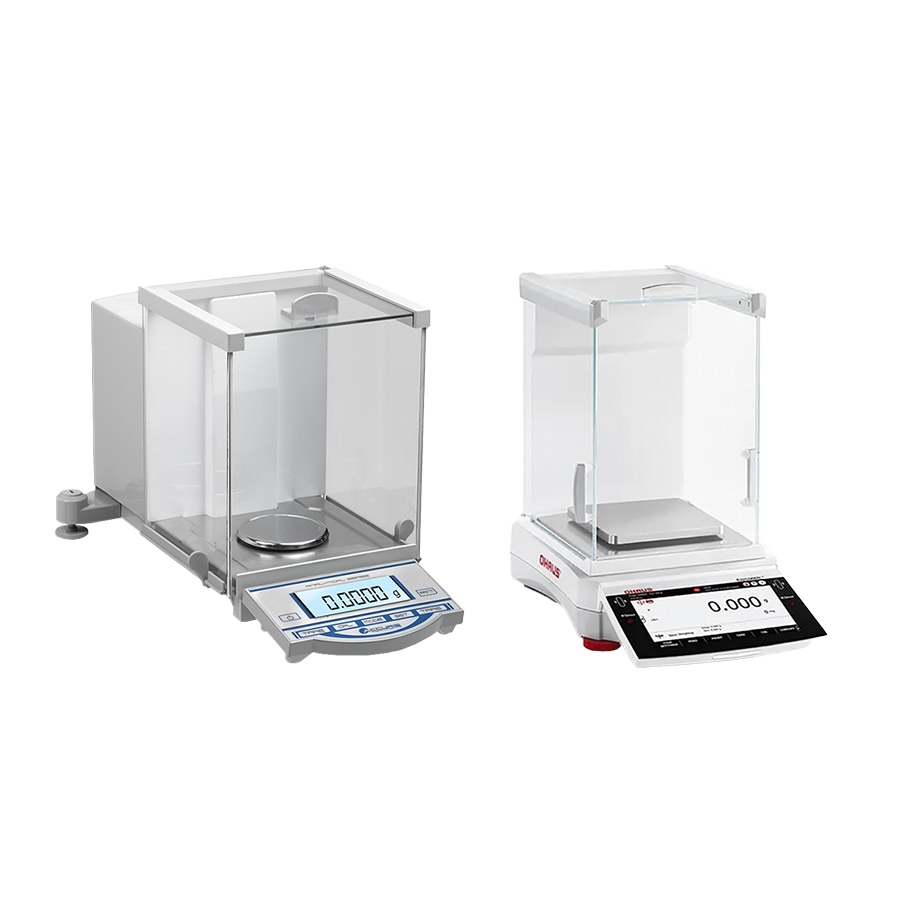
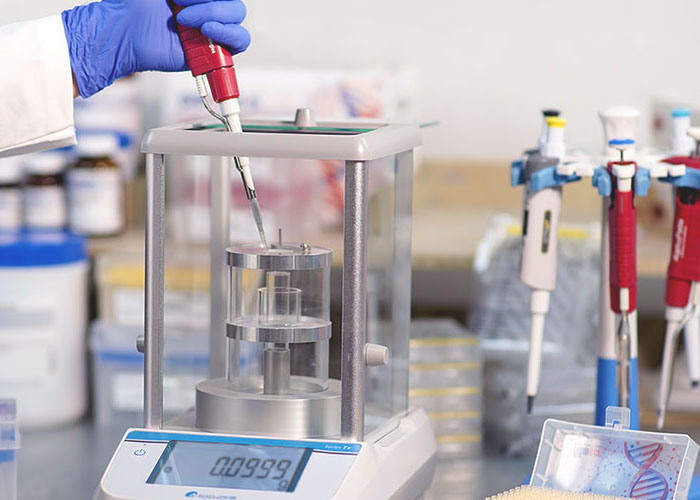
Using precision balances and controlled environmental conditions, technicians measure multiple dispenses across the pipette’s operating range to verify both accuracy and precision.
- Adjustment and Recalibration
If the pipette falls outside acceptable tolerances, adjustments are made before testing is repeated to confirm compliance.
- Documentation
Once calibration is complete, laboratories receive documentation showing the pipette’s measured performance, calibration date, and any maintenance performed.
This documentation supports internal quality systems and provides traceability for regulated laboratories.
Calibration Standards Help Ensure Reliable Results
Professional calibration follows established standards to ensure consistency between laboratories.
Many calibration providers perform testing using internationally recognized methods and traceable reference equipment. This provides confidence that your pipettes meet accepted accuracy and precision requirements.
Environmental conditions such as temperature, humidity, and air pressure are also carefully controlled during calibration because they can influence measurement accuracy.
Working with a provider that follows recognized calibration standards helps maintain confidence in every liquid transfer your laboratory performs.
Accredited Calibration Services
While some laboratories perform routine performance checks in-house, many choose accredited calibration laboratories for their annual or regulatory calibrations.
An accredited calibration provider offers several advantages:
- Traceable measurement standards
- Validated calibration procedures
- Certified documentation
- Experienced technicians
- Consistent quality systems
- Confidence during inspections and audits
For laboratories operating under GLP, GMP, ISO, CAP, CLIA, or other quality systems, accredited calibration services often play an important role in maintaining compliance.
Keep Your Liquid Handling Accurate and Reliable
Regular pipette calibration is one of the easiest ways to protect the quality of your laboratory’s work. While many laboratories follow a 6- to 12-month calibration schedule, your ideal interval depends on your applications, usage frequency, quality requirements, and the condition of your equipment.
By combining routine calibration with proper maintenance and high-quality consumables, you can improve accuracy, reduce variability, and extend the life of your pipettes. Whether you’re maintaining a single research lab or managing an entire fleet of liquid handling instruments, staying proactive with calibration helps ensure every transfer supports reliable, reproducible scientific results.
Tips for Extending the Life of Your Pipettes
Routine calibration is essential, but proper daily care can help reduce wear and maintain performance between service intervals.
Some best practices include:
- Use compatible, high-quality pipette tips.
- Store pipettes vertically on a pipette stand when not in use.
- Avoid dropping or laying pipettes on the bench.
- Clean pipettes regularly according to the manufacturer’s recommendations.
- Use the correct pipette for the required volume range.
- Train staff on proper pipetting technique.
- Schedule preventive maintenance before problems develop.
These simple habits can improve reliability while reducing repair costs over the life of the instrument.
Find the Right Pipette for Your Laboratory
Accurate liquid handling starts with reliable equipment. Whether you’re replacing an aging pipette, expanding your laboratory, or upgrading to electronic or multichannel models, MIDSCI offers a wide selection of high-quality pipettes designed to deliver precision, consistency, and long-term performance. Browse our selection of laboratory pipettes or connect with one of our experienced lab consultants to find the right solution for your workflow and research needs.
Not Sure What Pipette You Need?
A MIDSCI lab consultant is here to help anytime! Or Call 800.227.9997