Does the brand of your tissue culture plates really matter? For routine cell culture applications, standard tissue culture plates from a reputable manufacturer may provide everything your laboratory needs. However, when you’re working with sensitive cell lines, performing complex assays, or trying to improve experimental reproducibility, differences in plate manufacturing, surface treatment, and design can make a significant difference.
While premium tissue culture plates may cost more upfront, the right products can help reduce variability and protect valuable samples. The key is understanding which features actually matter for your research and when paying more for specialized plates is worthwhile.
What's the Difference Between Standard and Premium Tissue Culture Plates?
Standard and premium tissue culture plates serve the same basic purpose: providing a controlled environment for growing, maintaining, and studying cells.
Both are available in a variety of sizes and well configurations, and both may offer treated surfaces designed to support cell attachment and growth.
The differences often come down to manufacturing consistency, surface characteristics, product documentation, and specialized features.
Standard tissue culture plates generally provide the basic functionality needed for routine cell cultivation. For laboratories working with established cell lines and straightforward protocols, these plates may be sufficient.
Premium tissue culture plates may offer additional features such as specialized surface treatments, tighter manufacturing tolerances, enhanced optical properties, or more extensive quality documentation.
However, premium isn’t a universal laboratory product classification. A plate’s performance depends on its actual specifications, not simply its price or brand name.
Why Plate Material and Construction Matter
Most disposable tissue culture plates are manufactured from polystyrene, a transparent plastic widely used in laboratory applications.
Polystyrene offers several advantages for cell culture, including optical clarity, consistent manufacturing, and compatibility with many routine laboratory procedures.
However, not every polystyrene plate is constructed identically.
Differences in material quality, well geometry, bottom thickness, and surface uniformity can influence how a plate performs during an experiment.
For example, researchers using microscopy or automated imaging systems may need plates with consistent bottom thickness and optical properties. Laboratories performing routine cell expansion may place greater importance on available growth area and reliable cell attachment.
When comparing plate brands, consider whether the manufacturer provides detailed specifications for the plate’s construction and intended applications.
Surface Treatment Can Make a Significant Difference
One of the most important differences between tissue culture plates is how the growth surface is treated.
Untreated polystyrene is relatively hydrophobic and generally doesn’t provide ideal attachment conditions for many adherent mammalian cells.
Tissue culture-treated (TC-treated) plates undergo surface modification to improve wettability and promote cell attachment.
This treatment helps create an environment where many adherent cells can attach, spread, and proliferate.
Standard TC-Treated Plates
Standard TC-treated plates are commonly used for routine adherent cell culture applications.
They can work well for established cell lines that readily attach to treated polystyrene, including many commonly used laboratory cell lines.
For these applications, a well-manufactured standard plate may provide reliable performance without requiring a specialized coating.
Specialized and Premium Surface Coatings
Some cell types require more specific attachment conditions than standard TC-treated polystyrene can provide.
Depending on the experiment, researchers may use plates with coatings such as:
- Collagen: An extracellular matrix protein used to support attachment and growth for certain cell types.
- Fibronectin: A cell-adhesion protein used in applications where attachment to an extracellular matrix component is important.
- Laminin: Often used in specialized cell culture applications, including certain stem cell and neural cell workflows.
- Poly-D-lysine or poly-L-lysine: Synthetic coatings that can improve attachment for certain cells, including some neuronal cultures.
These coatings are not necessarily better for every application. Their usefulness depends on the specific cell type, experimental conditions, and research objectives.
Before purchasing a specialized plate, confirm that the surface treatment is appropriate for your protocol and that the supplier offers the required format.
Plate Design and Well Configuration
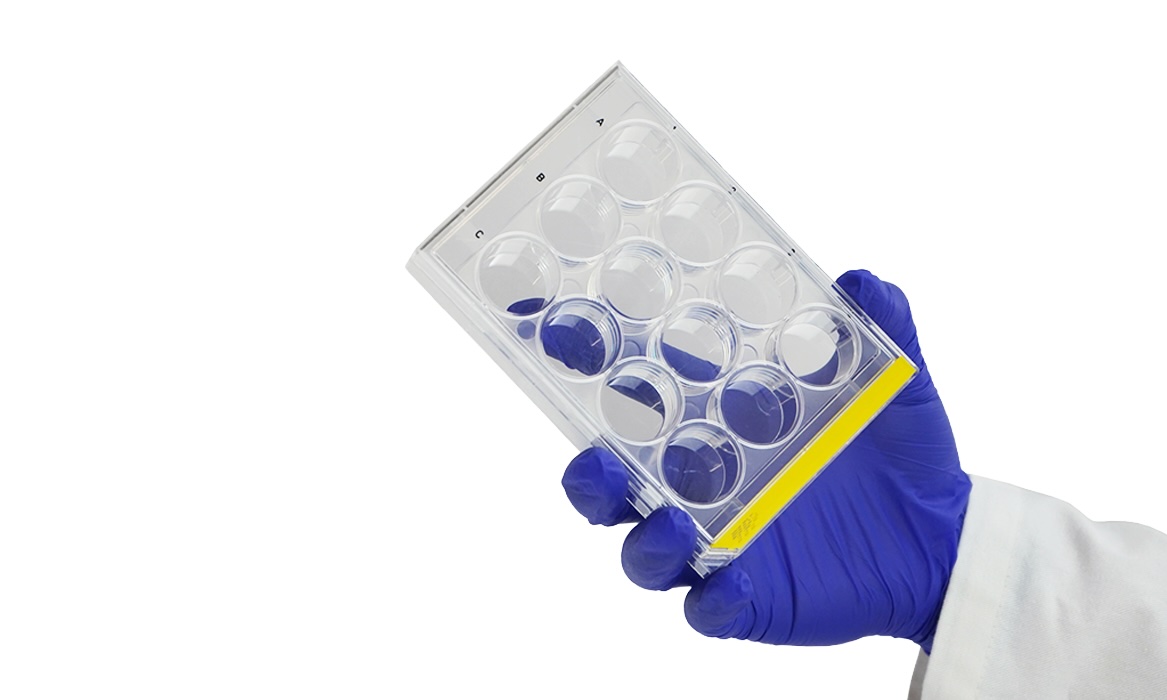
Tissue culture plates come in several configurations, allowing researchers to select a format based on sample volume, growth area, and experimental throughput.
Common formats include:
- 6-well plates: Provide larger growth areas for applications requiring more cells per sample.
- 12-well plates: Offer a balance between growth area and sample capacity.
- 24-well plates: Useful for experiments involving multiple conditions with moderate culture volumes.
- 48-well plates: Allow researchers to evaluate more samples while reducing the amount of media required per well.
- 96-well plates: Commonly used for cell-based assays, drug screening, and higher-throughput experiments.
Well-bottom design also matters. Flat-bottom plates are commonly used for adherent cell culture and imaging, while round-bottom and V-bottom plates may be useful for certain suspension-cell workflows, pelleting, or specialized assays.
Not every plate format or bottom shape is intended for tissue culture, so always confirm that the plate is appropriate for your application.
When Does Plate Brand Matter Most?
For some experiments, differences between plate brands may have little practical impact. For others, switching products can introduce variability that affects your results.
Cell Proliferation and Viability Assays
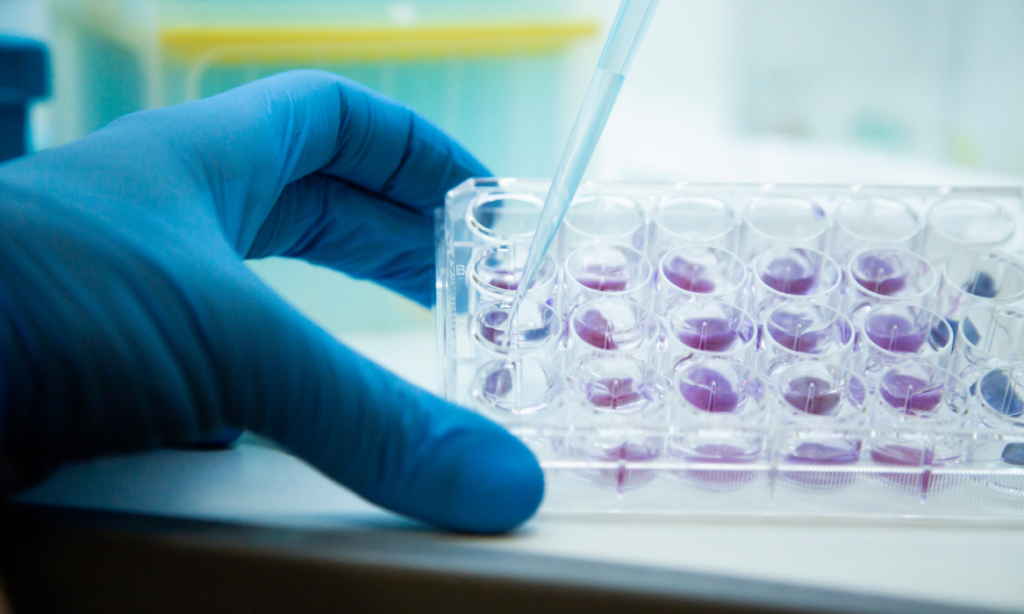
Cell proliferation and viability assays often rely on consistent cell attachment and growth across multiple wells.
Variations in surface treatment or well geometry may contribute to differences in cell distribution and assay results.
For these applications, consistency between plates and manufacturing lots can be especially important.
Drug Screening
Drug screening frequently involves testing compounds across many wells or plates.
Reliable plate dimensions, consistent surface properties, and compatibility with automated liquid handling equipment can help reduce unwanted variability.
For higher-throughput applications, consider whether the plate’s specifications support your instruments and workflow.
Sensitive Cell Culture Applications
Certain primary cells, stem cells, and other sensitive cell types may require specialized surfaces or coatings to support attachment and growth.
In these cases, selecting a plate designed for the specific cell type may be more important than choosing the least expensive option.
ELISA and Other Plate-Based Assays
ELISA assays often use plates designed for protein binding rather than standard tissue culture-treated plates.
Although the formats may look similar, their surface characteristics serve different purposes.
If you’re performing ELISA, choose a plate with the appropriate protein-binding properties for your assay. For example, high-binding plates are commonly used to immobilize antibodies or antigens, while medium-binding plates may be suitable for certain applications.
Consistent binding across wells and low background interference are important for producing accurate, reproducible results.
Microbial Studies
Some microbial applications use multiwell plates for growth monitoring, biofilm studies, or antimicrobial screening.
However, plate requirements vary depending on the organism and protocol. Researchers should verify the appropriate surface, sterility, optical characteristics, and well configuration rather than assuming that a plate designed for mammalian cell culture is suitable for every microbial application.
Manufacturing Quality and Sterility Standards
Contamination and inconsistent manufacturing can compromise even a carefully designed experiment.
When evaluating tissue culture plates, look for clear information about manufacturing quality and sterility.
Important considerations include:
- Sterility assurance and sterilization methods
- Endotoxin specifications
- Material quality
- Lot identification and traceability
- Manufacturing consistency
- Product documentation
- Applicable quality certifications
Some manufacturers provide detailed technical documentation that helps researchers evaluate these characteristics.
For example, TPP tissue culture plates available through MIDSCI are manufactured in Switzerland using polystyrene that meets USP Class VI requirements. TPP also provides product specifications covering sterility, endotoxin levels, plate dimensions, and surface treatment.
This information can be valuable for laboratories that need to standardize their cell culture procedures or maintain consistent consumable specifications.
Keep in mind that quality certifications and test results vary by manufacturer and product. Always verify the documentation for the specific plate you’re considering.
How Proper Plate Handling Affects Your Results
Even a high-quality tissue culture plate can produce inconsistent results if it isn’t handled properly.
Good laboratory practices help maintain sterility and reduce variability between experiments.
Some important considerations include:
- Maintain aseptic technique: Handle sterile plates in an appropriate controlled environment and avoid touching the interior surfaces.
- Check packaging: Inspect the packaging for damage and verify the expiration date before use.
- Use appropriate culture volumes: Follow the manufacturer’s recommended working volumes and growth areas.
- Distribute cells evenly: Use consistent seeding techniques to reduce differences in cell density between wells.
- Minimize evaporation: Follow appropriate incubation practices and account for evaporation, particularly in smaller wells and longer experiments.
- Avoid unnecessary plate movement: Excessive movement immediately after seeding may contribute to uneven cell distribution.
- Follow manufacturer instructions: Review storage conditions, temperature limits, and whether the plate is intended for single use.
Consistency in handling is just as important as consistency in the plates themselves.
Are Premium Tissue Culture Plates Worth the Cost?
Premium plates may be worth the investment when their specific features help address a known challenge in your workflow.
For example, a specialized surface coating may improve attachment for a difficult-to-culture cell type. A plate with well-characterized optical properties may be valuable for imaging applications, while extensive quality documentation may be important for laboratories with strict purchasing or validation requirements.
However, more expensive doesn’t automatically mean better.
If your laboratory is performing routine cell culture with a well-established cell line, a standard TC-treated plate from a reliable manufacturer may deliver the performance you need.
When comparing costs, consider more than the price per plate. Failed experiments, wasted reagents, and repeated cell culture procedures can quickly outweigh small differences in consumable costs.
For critical workflows, it may be worthwhile to compare plate options using your own cell lines and protocols before making a large purchasing decision.
How to Choose the Right Tissue Culture Plate Supplier
The manufacturer matters, but so does the supplier behind the product.
A reliable laboratory supplier should help you find products that meet your experimental requirements while providing access to accurate specifications and dependable support.
When comparing suppliers, consider:
- Product selection: Are the plate formats and surface treatments you need available?
- Technical documentation: Can you access specifications for sterility, material composition, and plate dimensions?
- Instrument compatibility: Will the plates work with your incubators, imaging systems, plate readers, and liquid handling equipment?
- Product consistency: Can you reliably source the same plate for ongoing experiments?
- Technical support: Is knowledgeable assistance available when you have questions about product selection?
- Availability and pricing: Can the supplier support your laboratory’s purchasing needs?
MIDSCI offers tissue culture plasticware from manufacturers such as TPP, providing researchers with access to laboratory products backed by knowledgeable Lab Consultants.
Find the Right Tissue Culture Plates for Your Lab at MIDSCI
Whether you’re performing routine cell cultivation, developing cell-based assays, or working with sensitive cell lines, choosing the right tissue culture plates can help support reliable, reproducible results.
MIDSCI offers TPP tissue culture plates in multiple well configurations, with growth surfaces designed to support cell attachment and cultivation. Our Lab Consultants can help you compare plate formats, surface characteristics, and other specifications to find products that fit your research needs.
Explore MIDSCI’s selection of tissue culture plates and other cell culture supplies, or contact our team for help choosing the right products for your laboratory.
A MIDSCI lab consultant is here to help anytime! Or Call 800.227.9997